Shipping quote request
We’ll calculate the shipping price as soon as getting your request.
Shipping quote request
We’ll calculate the shipping price as soon as getting your request.
You May Also Like
Sponsored Products
More from this Dealer
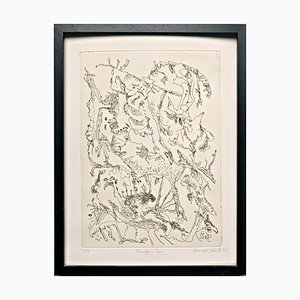
Bernard Schultze, Fratzen-Tanz, Etching, Framed
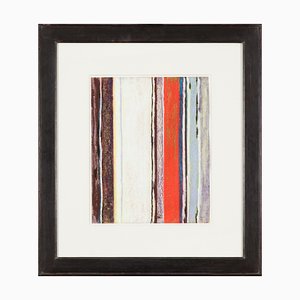
Rolf Hans, Pastel, 1966, Signed, Dated and Framed
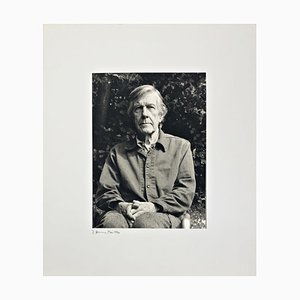
Portrait Photo of John Cage by Rolf Hans, 1990s
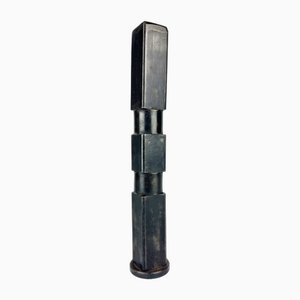
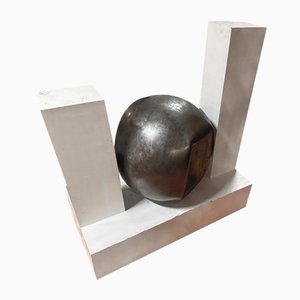
Rolf Hans, Early Iron Sculpture, 1971
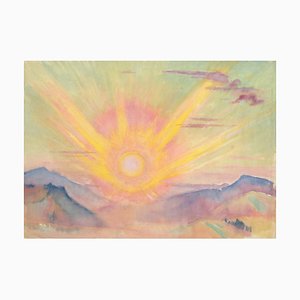
Hans Brasch, Large Expressionist Watercolor, 1927, Masters Student of Hans Thoma & Student of Ferdinand Hodler
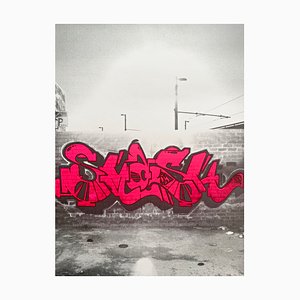
Street Art Silkscreen Print by Smash 137
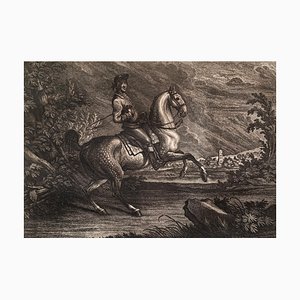
Johann Elias Riedinger, Copper Engraving From the Large Riding School, Augsburg 1734, Un Anglois À Cheval À La Campagne, 1890s
Lothar Quinte, Goa, 1991, Gouache on Japan Paper, Framed

Hans Brasch, Large Expressionist Watercolor, 1928, Masters Student of Hans Thoma & Student of Ferdinand Hodler
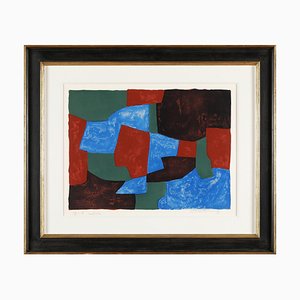
Serge Poliakoff, Komposition Blau, Grün und Rot, 1961, Framed
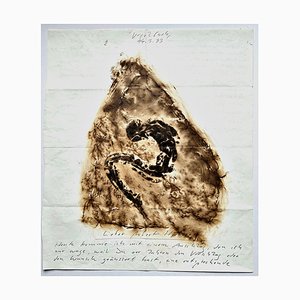
Jürgen Brodwolf, Künstlerbrief 2, 1993, Watercolor
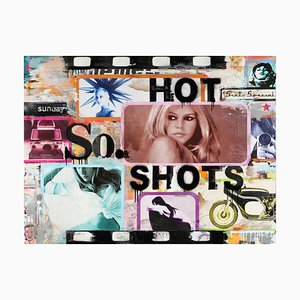
Jörg Döring, Hot Shots, 2010, Oil on Canvas
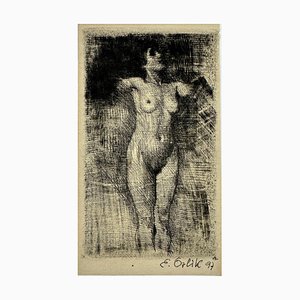
Emil Orlik, Signed Etching, Standing Female Nude, 1897
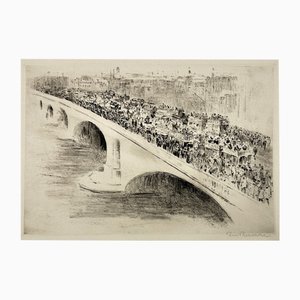
Paul Paeschke, London Towerbridge, Signed Etching
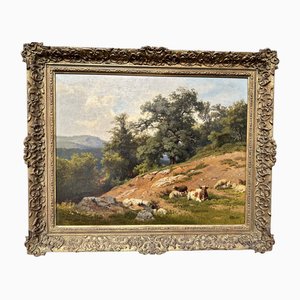
Max Schmidt, Südliche Landschaft mit Kühen, Oil on Canvas
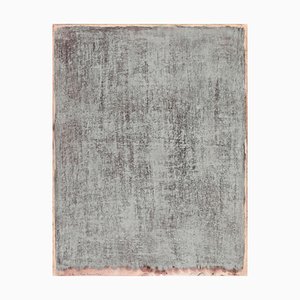
Rolf Hans, "Struktur grau", 1979, Pastel Chalk
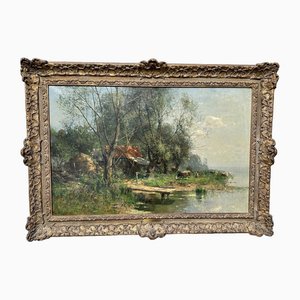
Karl Adam Heinisch, Oil on Canvas, Chiemsee
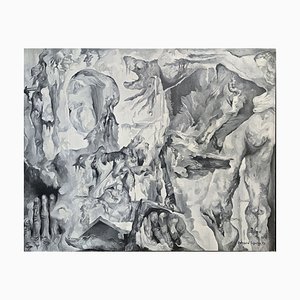
Bernard Schultze, Original Migof, 1973, Signed Oil on Canvas
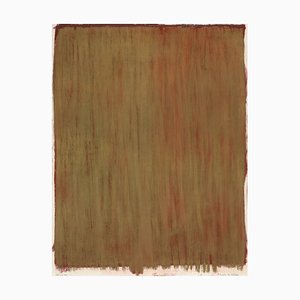
Rolf Hans, Olivgrün auf Rötlichem, 1979, Pastel Chalk
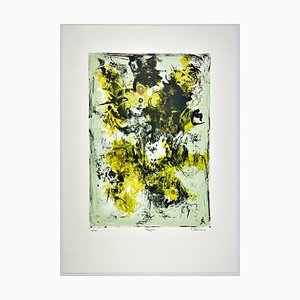
Rolf Cavael, Color Lithograph, Hand-Signed & Limited
More Products



Get in Touch
Make An Offer
We noticed you are new to Pamono!
Please accept the Terms & Conditions and Privacy Policy
Get in Touch
Make An Offer
Almost There!
To follow your conversation on the platform, please complete the registration. To proceed with your offer on the platform, please complete the registration.Successful
Thanks for your inquiry, someone from our team will be in touch shortly
If you are a Design Professional, please apply here to get the benefits of the Pamono Trade Program